
How to Stay Safe as a Solo Traveler: 8 Rules That Work
This post contains affiliate links. As an Amazon Associate, we earn from qualifying purchases.
Solo travel safety comes down to a small set of decisions made before you leave and in the first hour after you arrive. Government advisories from the UK, Australia and New Zealand agree on the core: pre-book your first night, use licensed transport, keep your accommodation private, and leave an itinerary with someone at home. Learning how to stay safe as a solo traveler means weighing the disagreements between those same agencies, which matter just as much.
I see one piece of solo advice repeated everywhere, and it falls apart on the ground. “Just trust your gut.” Fine as a starting point. Useless as a plan. Your gut in a strange city at 11 p.m., running on four hours of sleep and no local language, is not the same instrument as your gut at your kitchen table. The agencies that actually study this stuff spend their pages on logistics instead: where you sleep, how you move, who knows where you are. That’s the layer worth building.
So the rest of this walks through what the official guidance actually says, where three governments contradict each other, and the specific room and transport checks that separate a smooth solo trip from a story you tell later with a nervous laugh.
Key Takeaways
- Book night one before you fly. GOV.UK names first arrival as your most vulnerable window, and SafeTravel NZ advises having accommodation booked for your first night before you arrive.
- Skip hostels or use them deliberately. Smartraveller tells solo travelers to avoid shared accommodation; REI recommends looking for lodging like hostels, traditional bed and breakfasts or other accommodations with spaces where travellers can mingle, to have the option of company or privacy. The choice is yours, but make it a choice.
- Refuse uninvited taxi drivers. Smartraveller says to use only official, licensed and reputable taxis and refuse drivers that approach you uninvited; SafeTravel NZ says to always use licensed and reputable taxi services, and adds a rideshare check most people skip.
- Never hitchhike. Smartraveller’s wording is the bluntest: never hitchhike, and hitchhiking is not safe in any country.
- Treat your accommodation as private information. Don’t name the hotel in small talk, and don’t post publicly about where you’re staying or your exact location while travelling.
The Three Government Sources, and Where They Actually Disagree
Smartraveller, the Australian government’s travel advisory service, gives the most prescriptive solo guidance of any agency I’ve read. Their Smartraveller solo travel safety tips include flat-out prohibitions: never hitchhike, avoid sharing accommodation with strangers, don’t advertise that you’re traveling alone. The UK’s Foreign, Commonwealth & Development Office takes a softer line on the same topics. New Zealand’s SafeTravel sits somewhere in between, with a couple of rules nobody else states.
That divergence isn’t a bug. It reflects three different risk models, and if you read only one source you’ll miss the others’ edge cases in the how to stay safe as a solo traveler question.
Solo travel safety guidance is split between two schools. One treats vulnerability as a condition to be managed through planning, pre-booking and licensed services. The other treats it as an exposure to be reduced through avoidance, including shared accommodation, overnight transport and any disclosure of solo status. Most official advisories blend both, with different weights.
Here’s the honest version of where they land.
| Source | Stance on shared accommodation | Stance on overnight transport |
|---|---|---|
| Smartraveller (AU) | Avoid sharing with strangers | Avoid, or pick a protected seat |
| GOV.UK (UK FCDO) | No blanket prohibition | Does not prohibit; busy carriages advised |
| SafeTravel (NZ) | Not addressed directly | Avoid solo carriages; book reserved seats |
You won’t find a single “correct” answer in that table. What you’ll find is the range of official positions, which is more useful than a false consensus.
Why Your First Night Is the Riskiest Hour of the Trip
GOV.UK states plainly that you are at your most vulnerable when you first arrive in a foreign country, because you’re likely to be tired and unsure of your surroundings. That single sentence reframes the whole arrival plan.
Tiredness does two things when you compare a how to stay safe as a solo traveler. It slows your threat detection, and it pushes you toward the easiest option rather than the safest one. The driver who approaches you uninvited at the arrivals curb is offering easy. The official rank nearby is offering safe. After a long flight, easy wins more often than anyone admits.
SafeTravel NZ’s rule is the practical fix: have accommodation booked for your first night of travel before you arrive, even if you’re keeping the rest of the trip flexible. Smartraveller goes a step further and says booking ahead is the safest option, but if you want flexibility, shortlist safe options in advance and choose while you’re there. Never leave yourself without somewhere safe to stay.
The arrival-time detail is easy to miss. Smartraveller recommends planning to arrive during daylight when booking flights, and arranging airport transfers before you land. That’s not paranoia. A daytime arrival means you can see the neighborhood you booked into, the street lighting, and whether the entrance matches the photos.
Common mistake: Landing at night and figuring out the transfer at the curb. That’s when unlicensed drivers work the arrivals hall, and when your judgment is at its worst. Pre-book the transfer, even if it costs more than the bus.
My own version of this lesson came from coaching, not from my own trip. A student I worked with was terrified of solo travel, so we started with a single overnight trip close to home. They came back and booked a two-week solo adventure within the week. The confidence didn’t come from the destination. It came from proving the arrival process worked once, on a small scale, where a mistake was cheap.
If you’re picking a first destination, the same logic applies. Start with somewhere low-risk and close, then scale up. There’s a full breakdown at choosing a destination that fits your experience level.
The Room Checks Most Solo Travelers Skip
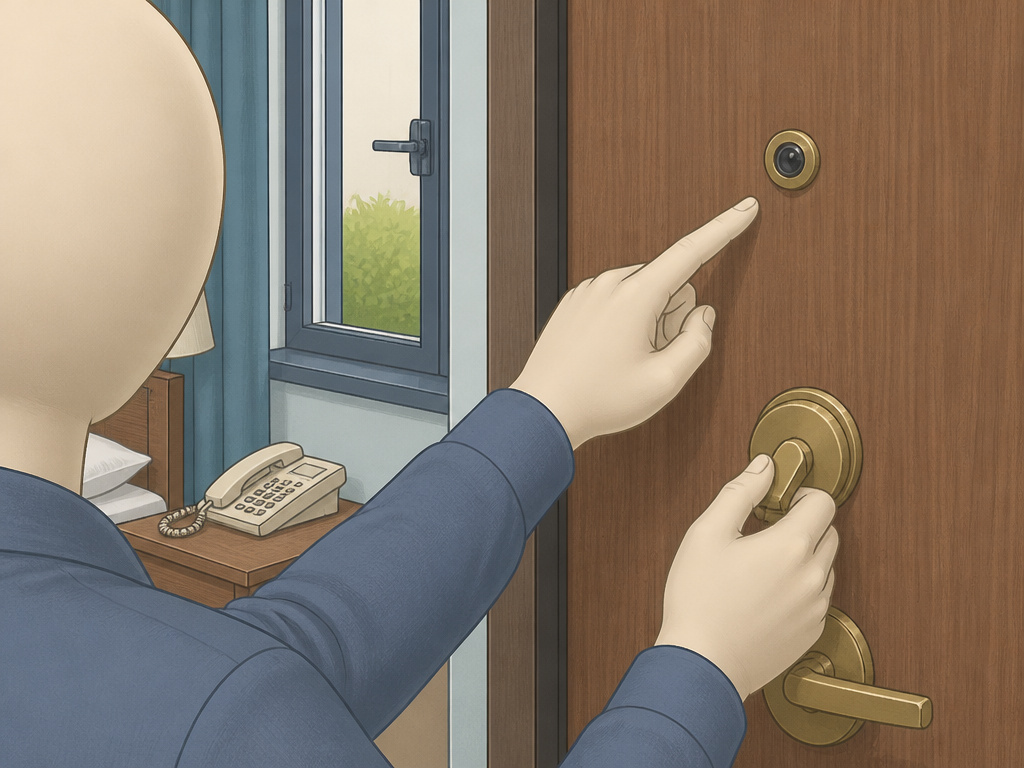
Hotel rooms are the one place on a solo trip where you’re stationary, alone, and assumed to be relaxed. That’s exactly why the room check matters.
Smartraveller’s room-vetting spec is the most specific of any source I’ve read: the telephone must work, and the door must have a peephole and a deadbolt or chain. Three items. The phone matters because in an emergency you may not have cell signal, and the front desk is your fastest line to help. The peephole matters because you should never open a door to a stranger without seeing who’s on the other side first. The deadbolt matters because hotel keycard locks can be bypassed, and a physical bolt can’t.
GOV.UK adds two more: check that the room has smoke alarms and appropriate fire exits, and close windows, especially on ground floors or rooms with balconies. The window point is the one people skip. A ground-floor window left open at night is a door for anyone who wants it to be.
Worth knowing before you start: If you return to your room and find the door open or the windows broken, don’t go in. Contact reception or the police. Smartraveller’s protocol is the correct one, and it’s the opposite of what most people instinctively do.
Carbon monoxide is the room hazard nobody plans for. GOV.UK warns that badly fitted equipment such as water heaters or cookers, or poor ventilation, can kill, and if you’re taking a portable detector, it should be British Standard-compliant, meaning a BS Kitemark or EN 50291 rating, and you should follow the manufacturer’s instructions. That’s the only hard technical spec across the sources I read for this piece, and it’s the one most solo travel articles never mention.
For anything valuable, the room safe is a starting point, not a guarantee. There’s more on that in this piece on hotel room security, including why the in-room safe isn’t always the safest option.
Getting Around Without Becoming a Target
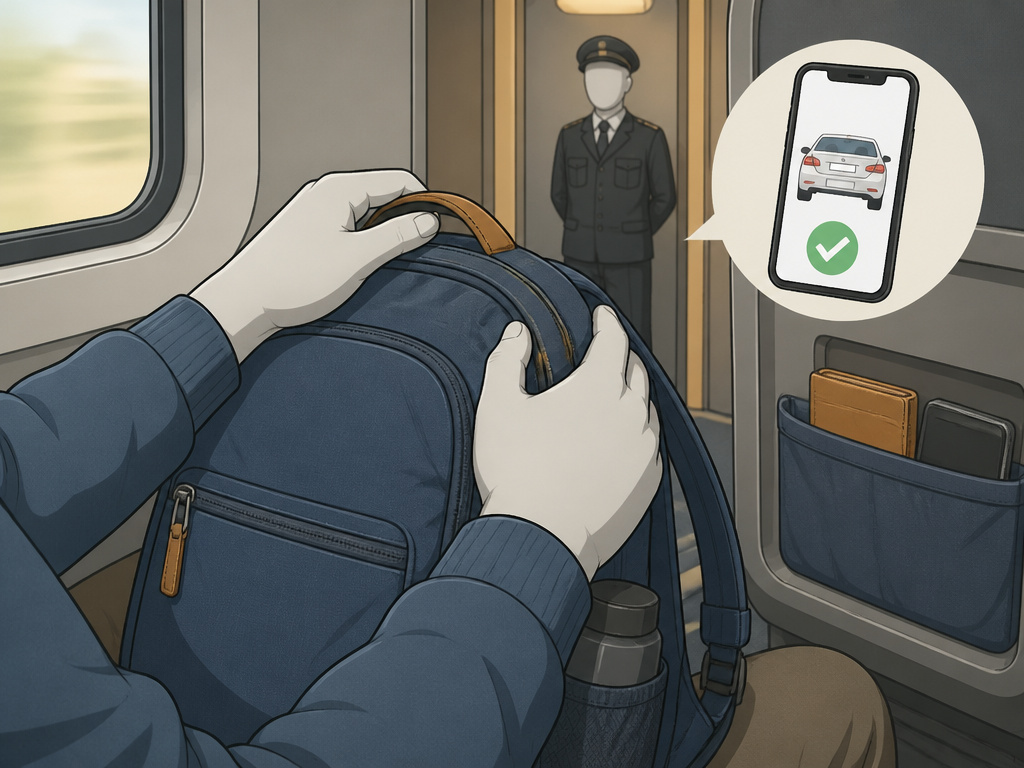
Transport is where solo travel safety gets operational. Every government advisory I read has a version of the same rule, but the specifics differ enough to matter.
Smartraveller’s transport list is the tightest: only use official, licensed and reputable taxis, and refuse drivers that approach you uninvited. Be cautious on crowded public transport, keep a close hold of your valuables, and stay aware of your surroundings. Avoid overnight travel on public transport, or choose a seat that offers some protection, because you’re vulnerable to theft or assault when you’re asleep.
SafeTravel NZ adds two checks that solo travelers routinely skip. If you’re using a rideshare app, verify that the car and driver’s details match what the app shows, and don’t get in a car with a different registration or driver. And when you book train tickets, choose reserved seating, and avoid traveling in train carriages by yourself.
Here’s where the sources genuinely conflict. GOV.UK advises traveling in busy carriages on a train. SafeTravel NZ advises avoiding train carriages by yourself. Those aren’t the same rule, and the logic behind each is different. Busy carriages mean witnesses and fewer opportunities for a single person to isolate you. Empty carriages mean no one to intervene if something does happen. Both positions have merit, and the right choice depends on the specific route and time of day.
My read on it: on a busy commuter line, sit where the crowd is. On a late-night intercity route with sparse carriages, sit near the guard or the driver, and keep your bag on your lap rather than in the overhead rack.
Where this goes sideways: Booking a night bus or overnight train to save a hotel night. Smartraveller’s warning is specific: you’re vulnerable to theft or assault when you’re asleep. If you do take one, pick a seat with some protection and keep your valuables on your body, not in a bag under the seat.
If you’re set on an overnight route, there’s a full breakdown of seat selection and luggage placement at night train safety.
Money, Documents and the First-Hour Setup
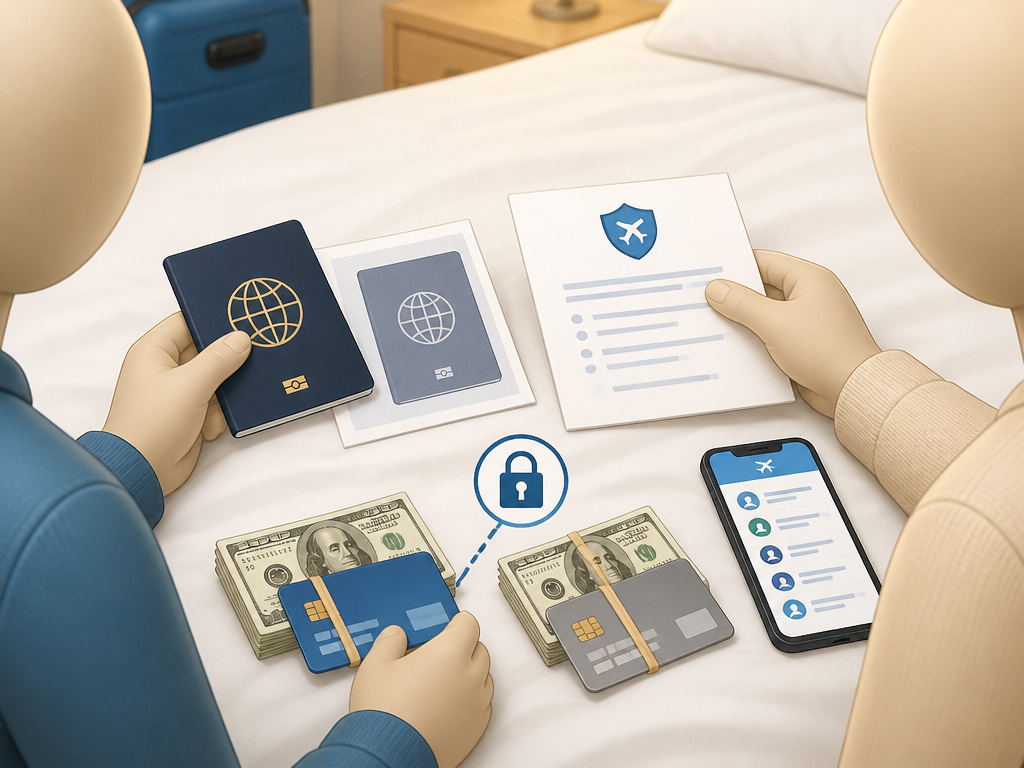
The first hour after you arrive is where you set up the systems that protect you for the rest of the trip. Do them once and you don’t think about them again.
Start with the documents. GOV.UK recommends leaving an itinerary with someone at home, agreeing how regularly you’ll be in contact, and leaving photocopies of important documents such as your passport and insurance policy. SafeTravel NZ goes further: give someone a detailed copy of your itinerary, including accommodation details and your travel insurance policy, and let them know if you change your plans.
Then set up your money so a single loss doesn’t end the trip. SafeTravel NZ’s rule is to carry an alternative form of payment in case you lose your wallet or it gets stolen. That means carrying an alternative form of payment in case you lose your wallet or it gets stolen. It also means carrying a list of important phone numbers in case you have an emergency and need to reach emergency services or friends and family back home.
Crowded transport and markets are where the money risks concentrate. Smartraveller says to keep a close hold of your valuables and stay aware of your surroundings. That’s the same rule as avoiding pickpockets, and it’s worth reading the specifics before you’re standing in a packed metro car with your phone in your back pocket.
For longer trips, the same logic extends to how you carry cash and cards day to day. If you want the full system, this guide on how to protect your money covers the split-stash approach in detail.
What to Do When Something Actually Goes Wrong
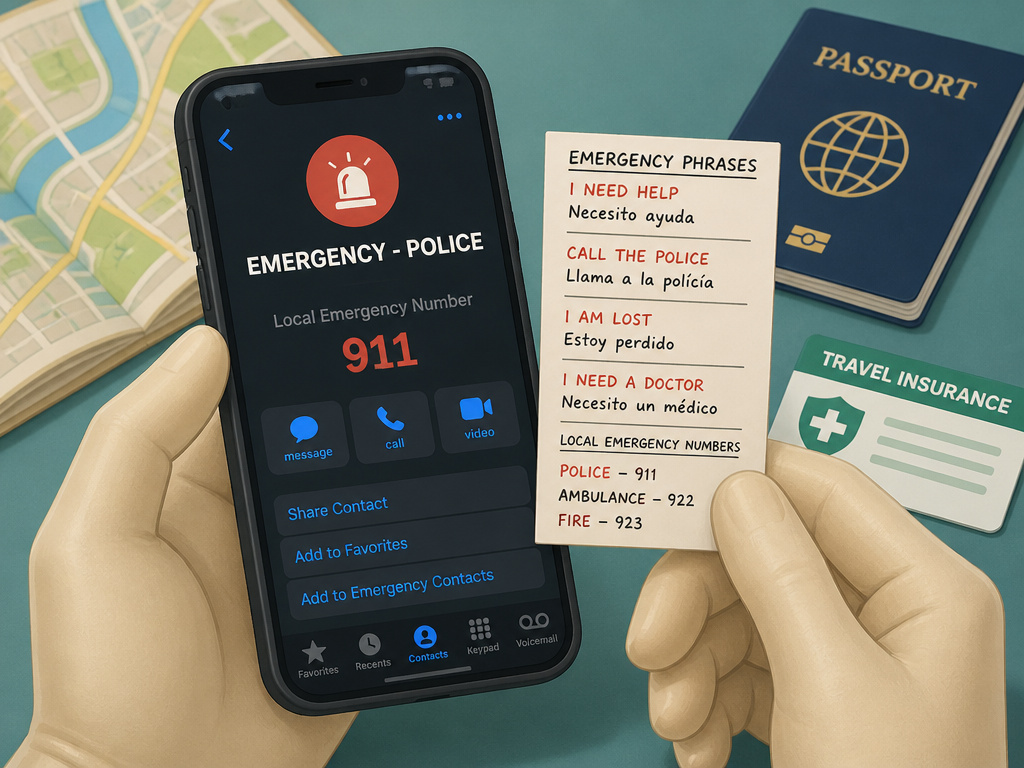
Most solo travel safety advice stops at prevention. That’s a mistake, because the moment something goes wrong is when the right move is least obvious.
GOV.UK’s guidance is direct: contact the local police if you are fearful for your safety or in danger. That’s the baseline. But the local emergency number isn’t always 911, and if you don’t know it before you need it, you’ll be fumbling through your phone while something is happening.
Learn emergency phrases, including the local words for police, doctor and hospital, before you fly. SafeTravel NZ recommends carrying a list of important phone numbers so you can reach emergency services or friends and family back home. Smartraveller suggests learning emergency phrases in the local language, including the words for police, doctor and hospital.
Easy to miss: The emergency number is not the same everywhere. Know yours before you land, and save it in your phone under a name you’ll find fast.
For medical situations specifically, the sequence matters. Get to a hospital or clinic, and contact your travel insurer. And have the insurer’s number on paper, not just in your phone. If you want the full protocol, this guide on handling a medical emergency abroad walks through the order of operations.
Meeting People Without Dropping Your Guard
Loneliness on day four is the solo travel problem nobody warns you about. It’s also the one where the safety rules and the social rules collide.
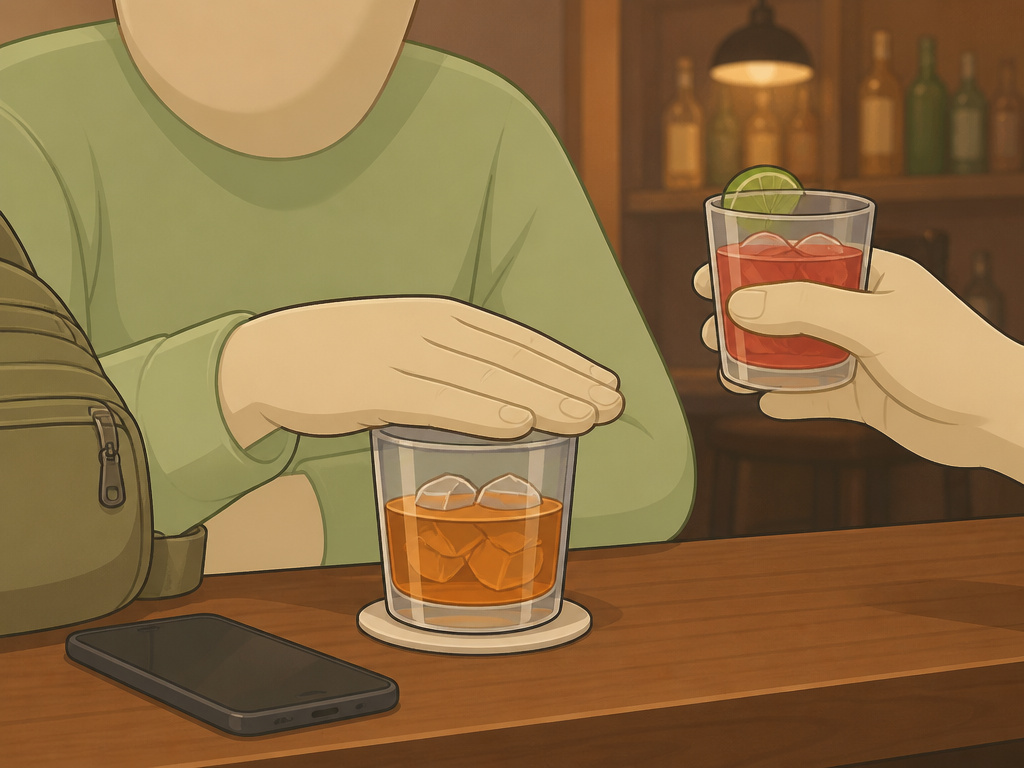
SafeTravel NZ’s guidance is the most useful here. If you’re going out with people you don’t know, meet in a public place. Trust your intuition, and if something doesn’t seem right, leave. If you’re drinking, know your limits and keep track of your consumption. Watch for drink spiking, and don’t leave your drink unattended or accept drinks from strangers.
Smartraveller adds the corollary: stay in public if a stranger approaches you, and don’t allow them to isolate you. If you ever feel uncomfortable or in danger, attract attention by shouting or making a scene. That last part is the one people freeze on. Making a scene is the correct move, and it works.
What most people get wrong: Sharing the name of your hotel in casual conversation. Smartraveller treats your accommodation as personal information, and says not to share the location with strangers. Say you’re staying “in the city center” and leave it there.
The social side has a real fix, and it’s not complicated. Consider booking a group activity, and eating at the bar instead of a table. Both put you in contact with other travelers and locals without requiring you to invent a social life from scratch. If you want the full playbook, this guide on how to meet people covers the options that actually work.
For solo female travelers specifically, the risk profile is different and the guidance is more detailed. This piece on solo female travel covers the cultural and situational specifics, and it’s the resource I point readers to rather than trying to generalize from my own experience.
Where Solo Travel Safety Advice Gets Overlooked
Two areas get skipped in almost every solo travel guide, and both matter.
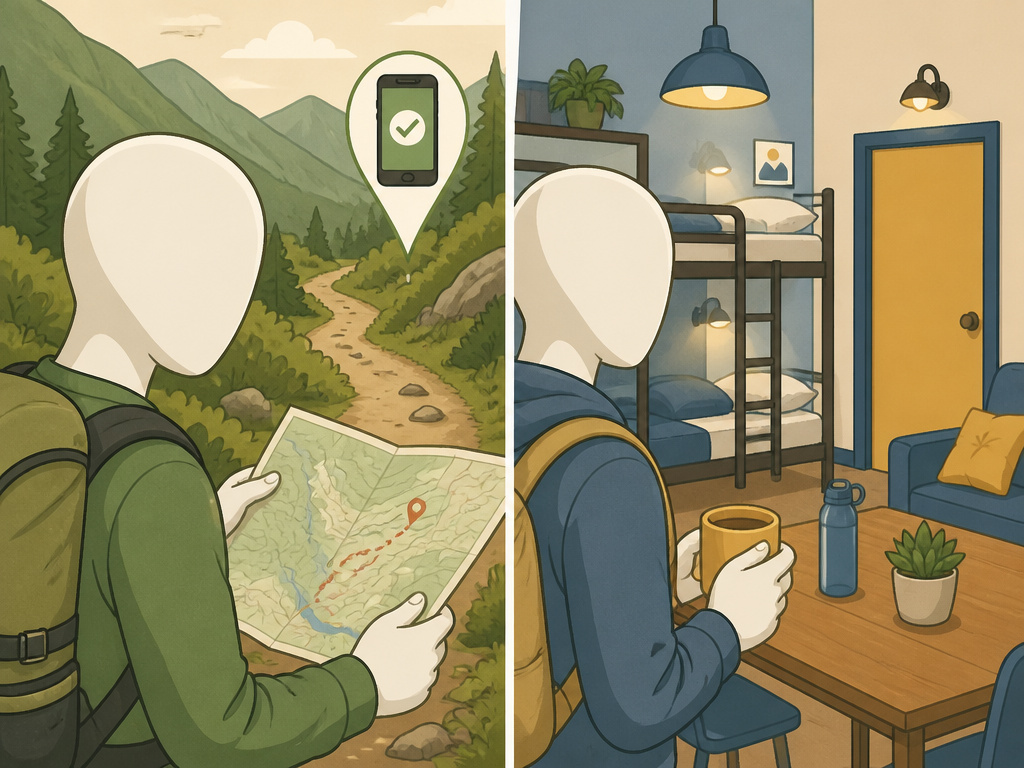
The first is hiking. The safety rules for solo travel in cities don’t transfer cleanly to trails, where there’s no taxi rank, no front desk, and no crowd to blend into. The route-planning and check-in protocols are different enough to warrant their own read, and there’s a full breakdown at hiking alone.
The second is the hostel question. Smartraveller tells solo travelers to avoid shared accommodation with strangers, particularly women. REI’s expert advice makes the opposite case: look for hostels, traditional bed and breakfasts, or other accommodations with spaces where travelers can mingle, so you have the option of company or privacy. Both positions are defensible, and the right choice depends on you.
My honest take: hostels with private rooms work for a lot of solo travelers, and the social contact is often the difference between a good trip and a lonely one. But if you’re going to use them, choose carefully. This guide on how to choose a solo-friendly hostel covers what to look for in reviews and room types.
Frequently Asked Questions
Is solo travel actually safe?
It can be, with the right preparation. The government advisories I read all treat solo travel as a manageable risk rather than a prohibitive one, and their guidance focuses on specific decisions: pre-booking your first night, using licensed transport, and keeping your accommodation private. The risk profile varies enormously by destination, so research your specific country before you commit.
Should I tell people I’m traveling alone?
Smartraveller says no: don’t advertise you’re traveling alone. That doesn’t mean lying to people you’ve befriended. It means not volunteering the information in casual small talk with taxi drivers, strangers at a bar, or anyone who approaches you uninvited. The other advisories don’t state this rule, but it’s a low-cost precaution.
What’s the safest way to get from the airport to my accommodation?
Arrange the transfer before you arrive, and use only official, licensed services. Smartraveller recommends booking airport transfers in advance and refusing drivers that approach you uninvited. SafeTravel NZ adds a rideshare check: verify the car and driver’s details match what the app shows, and don’t get in a car with a different registration or driver.
Is it safe to stay in a hostel as a solo traveler?
The sources disagree. Smartraveller advises avoiding shared accommodation with strangers, particularly for women. REI recommends hostels and B&Bs as a way to have the option of company or privacy. If you use hostels, choose carefully and check that the room has a working lock and a deadbolt.
What should I do if I feel unsafe in my accommodation?
If you return to find the door open or windows broken, don’t go in. Contact reception or the police. If you feel unsafe for any other reason, contact the local police directly. GOV.UK’s guidance is explicit on this: contact the local police if you are fearful for your safety or in danger.
Do I need a carbon monoxide detector for solo travel?
If your accommodation has badly fitted equipment such as water heaters or cookers, or poor ventilation, it’s worth considering. GOV.UK warns that badly fitted equipment or poor ventilation can kill, and if you take a portable detector, it should be British Standard-compliant, meaning a BS Kitemark or EN 50291 rating. Follow the manufacturer’s instructions.
Before You Go
The single highest-value move is the one the agencies recommend and most solo travelers still skip: pre-book your first night, and arrange your airport transfer before you fly. That’s the whole arrival problem solved before you’re tired enough to make a bad call. Do that this week, before anything else on your list.
The rest of the prep can wait until closer to departure. The room checks, the money split, the emergency number saved under a name you’ll actually find. None of it takes long. But the first night is the one that changes the shape of the trip.
One concession, because it’s honest: this advice assumes you’re choosing a destination with a reasonable baseline of safety. If you’re heading somewhere with active civil unrest or a conflict zone, the calculus is different and the answer is probably to go somewhere else. The rules above are for the large majority of trips, not for the edge cases.
And one last thing, because I’ve seen it happen to people I’ve coached. The trip you’re nervous about can change how you travel. Not because you “find yourself” out there, which is nonsense. Because you learn that you can handle an unfamiliar city alone.
