
3-day Arches and Canyonlands Itinerary
This post contains affiliate links. As an Amazon Associate, we earn from qualifying purchases.
Three days is enough for a 3-day Arches and Canyonlands itinerary covering Arches plus one Canyonlands district, and Island in the Sky is the district to pick. It’s the most visited area of Canyonlands, it sits about 40 minutes from Moab, and its 34-mile round-trip scenic drive takes 2-3 hours with stops. The Needles is a separate commitment of roughly an hour and a half each way. Trying to see both districts in one day isn’t practical for most visitors, per the National Park Service.
That one line about districts is where most plans quietly fall apart. Canyonlands isn’t a single place you drive into and tour. It’s four districts divided by the Green and Colorado rivers, and there are no roads that directly link them. Moving between districts takes hours by car.
So the real decision on a three-day trip isn’t which hikes to do. It’s which district earns your one Canyonlands day, and what you do with the other two.
Key Takeaways
- Pick Island in the Sky for your Canyonlands day. It’s the closest district to Moab and the most visited, and the mesa-top scenic drive fits a single day.
- Plan on 1 gallon (4 L) of water per person per day at Canyonlands, and don’t count on refilling anywhere except Moab and the visitor centers.
- Skip the full White Rim loop. Most visitors need two to three days to complete it by 4WD or bike, and multiday trips require an overnight backcountry permit.
- No timed entry at Arches in 2026, but vehicles can still be turned away when the park is congested. Enter before 8 a.m. Or after 3 p.m. If you want to avoid the gamble.
- Fiery Furnace and Devils Garden Campground still need reservations, and Fiery Furnace tickets open online up to four months ahead.
Why Three Days Buys You Two Parks and One Real Choice
A 3-day Arches and Canyonlands itinerary on the open roads of southeastern Utah gets you a taste of both parks plus a few things in between. That’s the honest framing from Visit Utah’s own southeast itinerary, and it matches what the drive times actually allow.
The trap is treating Canyonlands as a checkbox. You drive UT 313 up to the Island in the Sky visitor center, look out over the White Rim, and think you’ve seen Canyonlands. You’ve seen one district of four. The Needles sits about an hour and a half each way from Moab with its own trailheads and its own four-wheel-drive roads. The Maze is primarily a backpacking destination because of its remoteness, and hikers there typically plan multi-day trips.
I get quietly irritated by itineraries that list “Canyonlands” as a half-day block with no district named. It’s the planning equivalent of saying you’ll “do Italy” on a Tuesday.
Both parks have a quirk worth knowing. Arches is a single dead-end scenic drive with everything hanging off it. Canyonlands’ Island in the Sky is a 34-mile round-trip mesa-top drive. Both reward slow mornings and both punish midday starts in summer.
Arches National Park and Canyonlands National Park sit close together by road, but they operate on completely different scales. Arches is a compact scenic drive with trailheads clustered along one dead-end road. Canyonlands spreads 337,598 acres across four districts, and no road connects them directly.
That’s the whole planning problem in two sentences. One park is a corridor. The other is a region.
Which Canyonlands District Fits Your Three Days?
For a 3-day Arches and Canyonlands itinerary, Island in the Sky fits, and it fits comfortably. The district sits on a mesa with a paved scenic drive running to overlooks high above the Green and Colorado rivers, and the NPS lists it as the most visited area of the park.
The comparison below is the one most three-day itineraries skip.
| District | Drive From Moab | Realistic Time Budget | Permit Needed? |
|---|---|---|---|
| Island in the Sky | ~40 min via UT 313 | Half day to full day | No for the scenic drive |
| The Needles | ~74 mi, ~1.5 hr each way | Full day minimum | Yes for Elephant Hill 4WD |
| The Maze | Multi-day access | Backpacking trip | Yes, plus high-clearance 4WD |
| Rivers | Varies by put-in | Half day to multi-day | Yes for most river trips |
Read that Needles row twice. Three hours of driving is the price of admission, and it’s why the Needles is a whole day rather than an afternoon add-on. If you make that drive and only walk the Slickrock Trail, you’ve spent more time in the car than on rock.
The NPS publishes its own time blocks for both districts, and they’re worth reading before you commit. The Canyonlands National Park trip itineraries page breaks each district into half-day, full-day, and many-days options. A half day at Island in the Sky covers the short mesa-top nature trails plus a ranger-led program. A full day adds a long strenuous trail like Syncline or Murphy loops, or a 4WD run out the White Rim Road to Musselman Arch.
For the Arches side, the NPS Arches itinerary suggestions keep it simple: drive the Windows Section to see some of the park’s largest arches, and hike up the sloping slickrock to Delicate Arch. The NPS explicitly says to avoid that Delicate Arch trail in midday summer heat.
Island in the Sky: The Default Pick
The 34-mile round-trip scenic drive is the spine of the day. Driving it round trip takes about 2-3 hours depending on how many stops you make, and every pullout faces something worth stopping for.
Mesa Arch is the classic sunrise spot and the most photographed thing in the district. It’s a short hike to a cliff-edge arch with wide views any time of day. Grand View Point gives you the big canyon-and-river view that makes the district famous.
If you want a real hike rather than a viewpoint walk, Murphy Loop drops off the side of the mesa top for a 1,400-foot elevation change. That’s a full-day commitment. Most trails in the park have a net elevation change of several hundred feet or less, so Murphy is the outlier, not the norm.
The Canyonlands National Park hiking guide is blunt about the rest. Longer trails are rough and require negotiating steep passes with drop-offs, narrow spots, or ladders. All trails are marked with cairns, which are small rock piles, and you should treat those cairns as your only navigation aid.
I’ve learned this the hard way so you don’t have to: cairns vanish in low light. Start the descent with enough daylight to spot the next pile.
The Needles: Worth It Only If You Commit
The Needles rewards people who give it a full day and punishes people who treat it as a scenic detour. A half day there means the scenic drive, the Slickrock Trail, or a walk to the edge of Chesler Park, plus the visitor center. A full day means longer backcountry trails or four-wheel-drive roads up Horse Canyon and over Elephant Hill to the Confluence Overlook.
Permits are required for those 4WD routes. Elephant Hill’s access road is unpaved, and it isn’t a place for a sedan.
Here’s the trade nobody puts in the brochure. Three days in Moab buys you two parks done properly and one real choice. Four days buys you the choice you didn’t make.
Skip this if: you’re on a three-day trip and Day 1 got cut short. The Needles is the first thing to sacrifice, not the last. A rushed Needles day costs you three hours of driving for two hours of actual park.
What the Arches Day Actually Looks Like
Arches is a single dead-end road, so the only real decision is which direction you drive it. That decision depends almost entirely on when you hike Delicate Arch.
The Windows Section is the highest-return stop in the park. It’s a cluster of large arches, and it’s the right call if anyone in your group doesn’t want to hike. The NPS says to add a half hour to stroll beneath either North Window or Double Arch.
Delicate Arch is the other anchor, and it’s a different animal. You hike up sloping slickrock, and the NPS says to avoid the trail in midday summer heat. Sunset there can draw hundreds of people. If the Wolfe Ranch lot fills, you can park at the viewpoint lot and walk a mile of road each way, which stretches the hike to 5 miles.
That’s the detail that wrecks plans. The hike stretches to 5 miles because of parking, and you find out at the trailhead.
The Arches National Park auto touring guide confirms the parking problem is structural, not seasonal. Parking is limited at all destinations, and popular trailheads like Delicate Arch and Devils Garden may fill for hours at a time, especially on weekends and holidays.
The Fiery Furnace Reservation Most People Miss
Fiery Furnace is the one Arches experience that still requires advance planning. Both the self-guided and ranger-led options need reservations, and tickets open online up to four months ahead. Book it well in advance or accept that you’re skipping it.
There’s no timed entry at Arches in 2026, which is the good news. But no timed entry doesn’t mean no gate. Vehicles may be turned away temporarily when the park is congested, and the park’s FAQ suggests entering before 8 a.m. Or after 3 p.m.
I watched a ranger turn away a minivan at 10:30 a.m. In July because the park was congested. The driver had come four hours from Salt Lake City. That’s the version of this trip nobody plans for.
What most people get wrong: treating “no timed entry” as “no restrictions.” Congestion closures are separate from reservations, and they happen on the same weekends and holidays that fill every trailhead lot.
Where the Water Rules Get Complicated
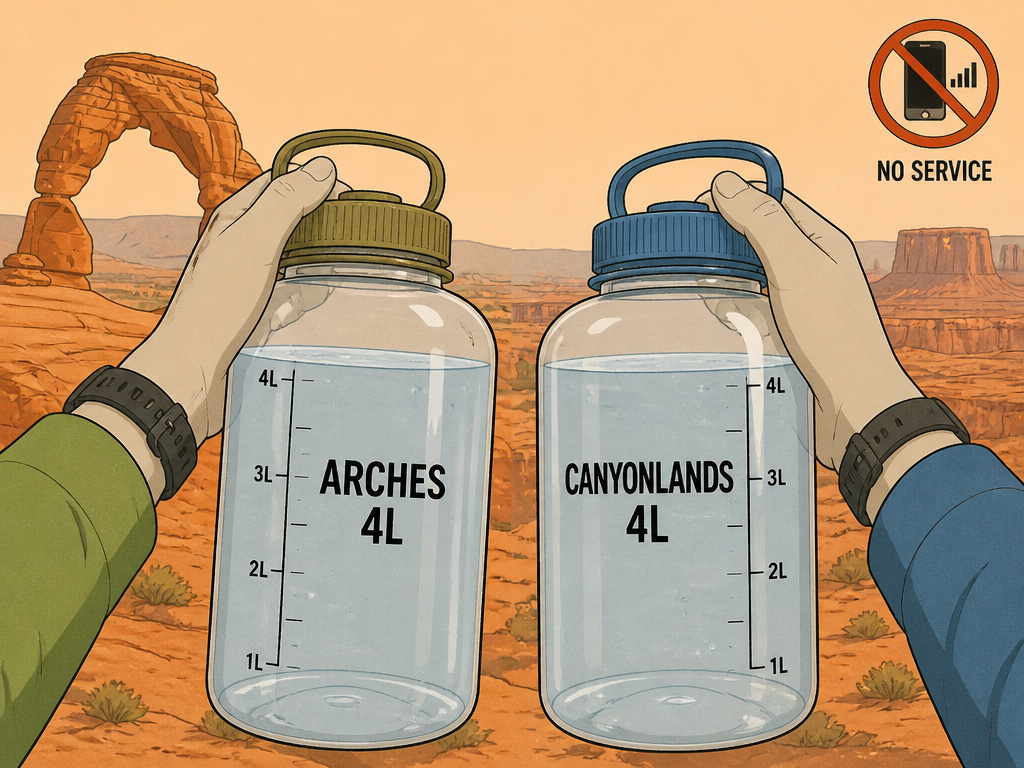
Water is the one place where following the wrong park’s guidance can genuinely hurt you. The two parks publish different minimums, and they’re both official.
| Source | Short / Front Country | Long / Backcountry |
|---|---|---|
| NPS Arches safety guidance | 2-3 L per person | 4 L or more per person |
| NPS Canyonlands hiking guidance | 1 quart (1 L) per person | Up to 1 gallon (4 L) |
The Canyonlands planning page pushes the number higher still, telling visitors to plan on drinking at least 1 gallon (4 L) of water per day. It also notes that dehydration is easy here even in cold temperatures.
So the practical rule is simple. Use the higher number. Carry 4 liters per person per day, and treat the Canyonlands short-trail floor of 1 liter as a floor for a fifteen-minute walk, not a hiking allowance.
Water availability is the second half of the problem. In Arches, water is scarce, so carry what you need. There’s nothing at the Delicate Arch trailhead. Willow Flat Campground has no water on site.
Before you start: Canyonlands has limited cell service across all districts, so a phone-based emergency plan won’t work. Carry a paper map and a flashlight. Rangers in Arches respond to hundreds of search-and-rescue incidents each year, and locating an injured hiker can take hours.
That last point is the one I’d tattoo on the inside of every rental car visor. The Canyonlands National Park road guide states it plainly: do not rely on cell service.
Permits, Roads, and the 4WD Line
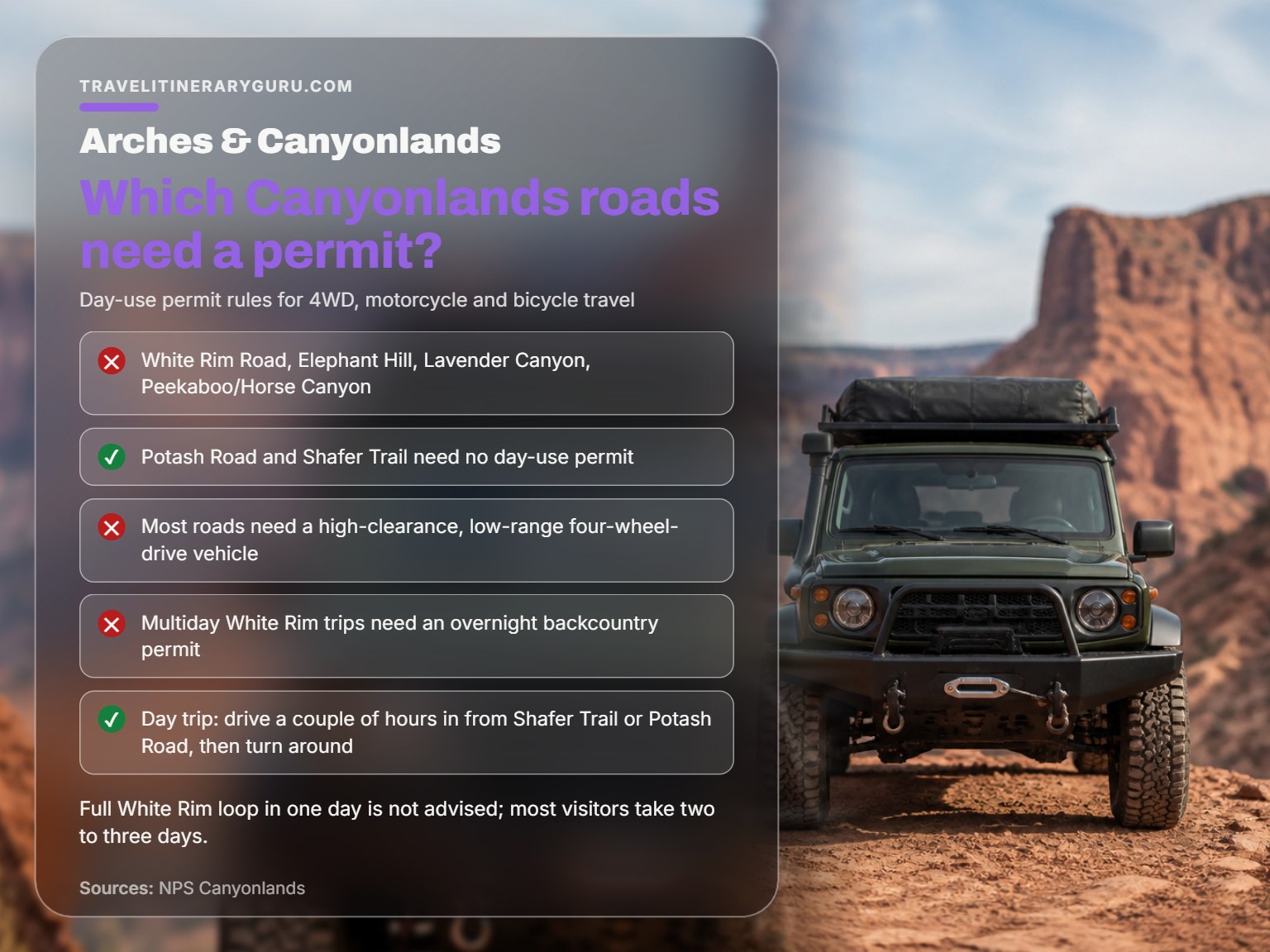
Most roads in Canyonlands require a high-clearance, low-range four-wheel-drive vehicle. That single sentence eliminates a lot of three-day plans built around a standard rental sedan.
The permit rules are more forgiving than people assume, though. A day-use permit is required for four-wheel-drive, motorcycle, and bicycle travel on the White Rim Road, Elephant Hill, Lavender Canyon, and Peekaboo/Horse Canyon roads. You do not need a day-use permit on Potash Road or the Shafer Trail.
That distinction matters. Shafer Trail and Potash Road give you a genuine 4WD descent back to Moab without a permit. Cross onto the White Rim Road and both change: you need a high-clearance low-range 4WD, a day-use permit, and you leave the dog behind.
The White Rim itself is where most people misjudge the math. Driving the entire loop in one day is not advised, because it means many hours of 15-mph-or-less, very bumpy travel. Most visitors spend two to three days completing it by 4WD or bike, and multiday trips require an overnight backcountry permit.
The NPS offers a smarter day-trip version. Drive a couple of hours in from either the Shafer Trail or Potash Road access point, then turn around. You still get a real sense of the terrain without committing to the full loop.
Camping as a Base Camp Changes the Trip
If you can camp, the trip changes shape. Island in the Sky’s Willow Flat Campground has 12 first-come, first-served sites at $15 a night, open year-round, with toilets, picnic tables, and fire rings but no water. Fill up in Moab or at the visitor center before you drive up.
Devils Garden Campground is the only campground inside Arches, and the NPS says it’s usually full every night during the reservation season. Reservations open six months ahead. From November through February, sites are first-come, first-served.
Camping near the mesa also solves the sunrise problem. Campers can grab a site at Dead Horse Point or Canyonlands for the quickest access to the Mesa Arch sunrise.
Should You Add Dead Horse Point State Park?
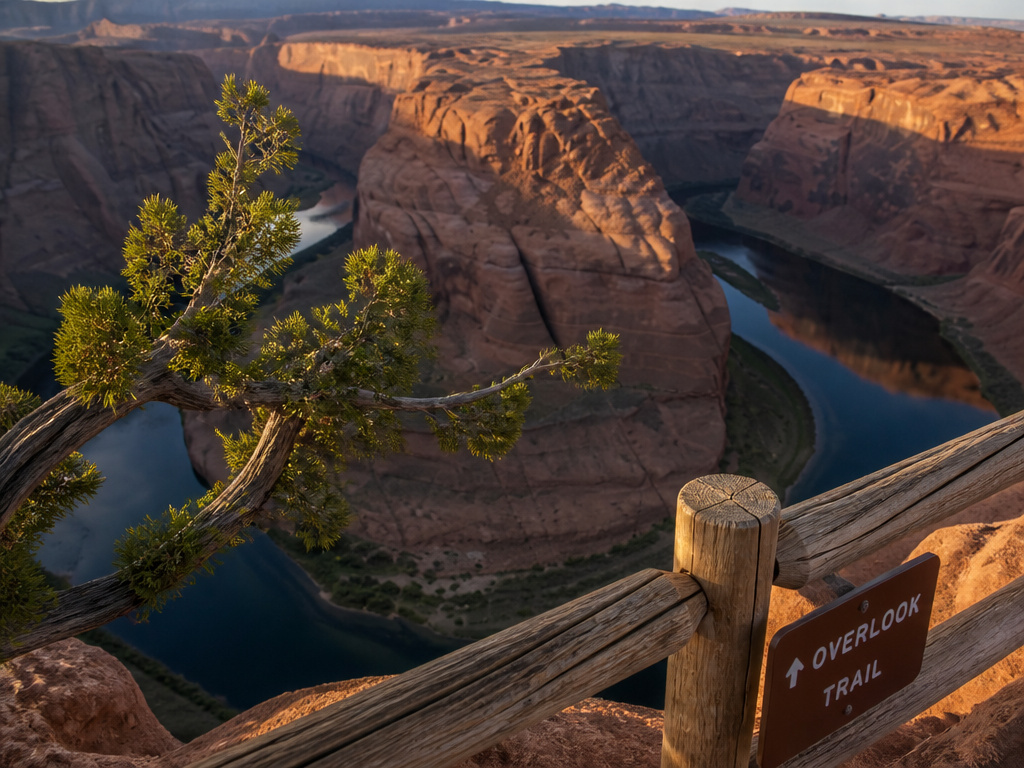
Yes, if you’re already driving UT 313. Dead Horse Point State Park sits on the same road as Island in the Sky, and it’s a higher vantage point above the Colorado River as it curves around the canyon wall. It’s a state park, so a separate fee applies, but the detour is short.
The Visit Utah southeast itinerary builds it into Day 2 alongside Mesa Arch and Grand View Point, which is a sensible pairing. You’re already on the road.
What I’d skip is treating Dead Horse Point as a replacement for Island in the Sky. Add it, don’t swap it.
What If Arches Turns You Away at the Gate?
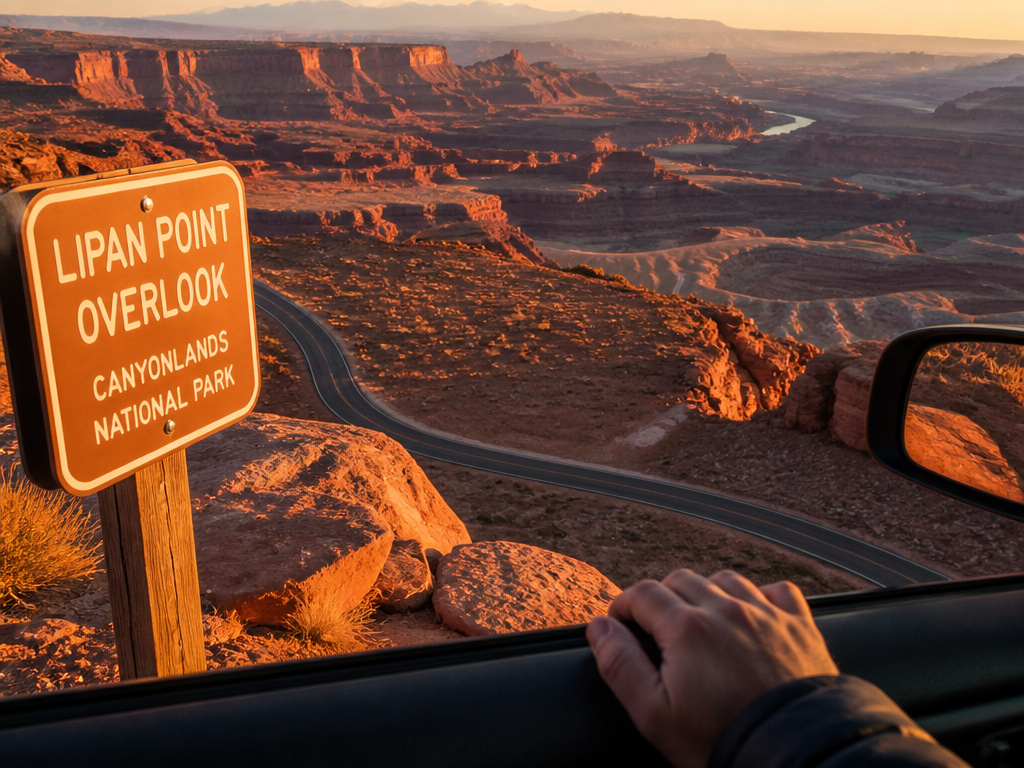
Drive to Island in the Sky. It’s a short drive from the Arches entrance area, and it doesn’t have the same congestion problems as Arches. The 34-mile scenic drive is a full day on its own, and you can be at Grand View Point before the Arches congestion clears.
This is the backup I keep loaded for every Arches day. Arches has a gate that can stop you. Canyonlands’ mesa-top drive doesn’t work that way.
Fair warning, though: this backup only works if you haven’t already committed your Canyonlands day to the Needles. If you have, your Arches overflow day becomes a Moab day, and that’s a fine outcome too. Moab has plenty to fill a day.
Worth knowing before you start: Arches and Canyonlands each charge $30 per private vehicle, valid for seven days. The $55 Southeast Utah Parks annual pass covers Arches, Canyonlands, Natural Bridges, and Hovenweep, so it beats two separate vehicle fees on a single trip.
Where Three Days Fits in a Longer Utah Trip
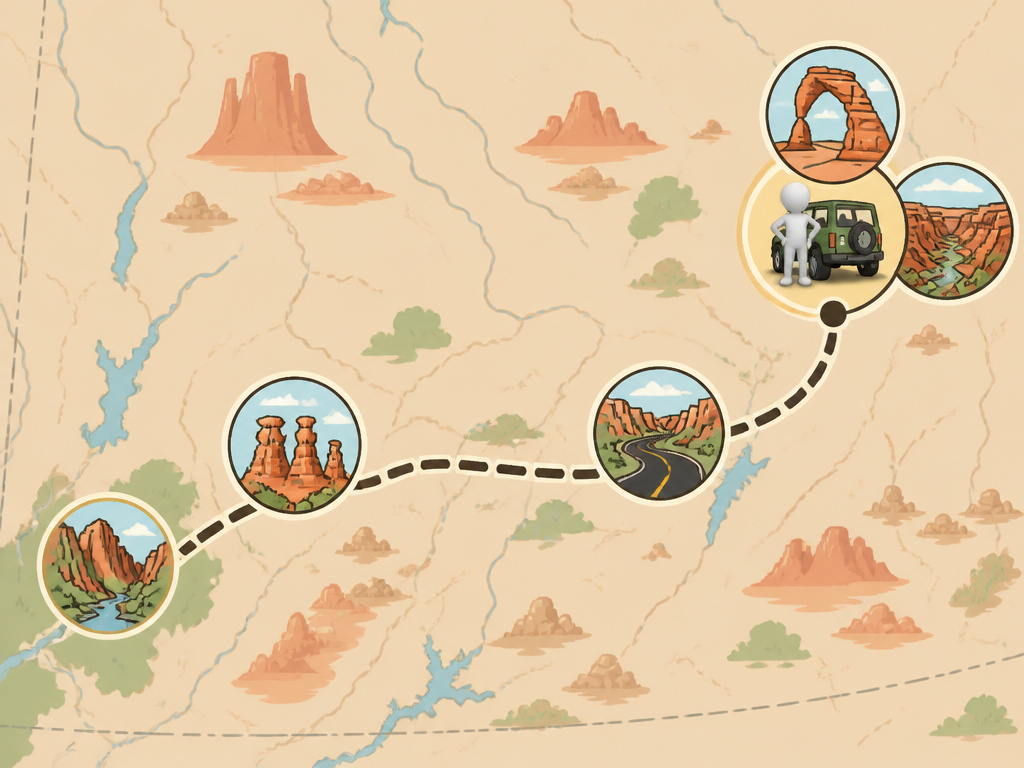
Three days around Moab is the eastern end of the classic Utah run. If you’re building a longer trip, the standard order starts with Zion National Park, then Bryce Canyon, then works east on Highway 12 toward Moab.
Most people underestimate how much driving that involves. A Utah Mighty Five run compresses five parks into a tight loop, and Moab is usually where the pacing breaks. If you’re coming from the north, a Salt Lake City stop on the way down is a reasonable way to break the drive.
For a wider frame, the American Southwest guide covers how these parks connect to the rest of the region, and a Southwest national parks loop is the natural extension if you have ten days instead of three.
Frequently Asked Questions
Can you visit Arches and Canyonlands in three days?
Yes, and it’s the standard Moab trip. You get one full day at Arches and one full day at a single Canyonlands district, usually Island in the Sky. The third day is a real choice between the Needles, a Colorado River rafting trip, or a Moab day.
Do you need a reservation for Arches in 2026?
No timed-entry reservation is required at Arches in 2026. The Fiery Furnace still requires a reservation, both self-guided and ranger-led, and Devils Garden Campground requires one for nights between March 1 and October 31. Canyonlands doesn’t use timed entry at all.
Can you see two Canyonlands districts in one day?
Not practically. The NPS states that visiting more than one district in a day isn’t practical for most visitors. Inter-district travel takes hours by car because no roads directly link the districts, so a two-district day is mostly a driving day.
How much water should you carry?
Carry 4 liters per person per day as your working number. Arches guidance says 2-3 L front country and 4 L or more in the backcountry. Canyonlands guidance says 1 quart (1 L) on short trails and up to 1 gallon (4 L) on long trails, and its planning page recommends at least 1 gallon (4 L) per day.
Do you need four-wheel drive for this trip?
Not for the standard three-day itinerary. Arches and the Island in the Sky scenic drive are both paved. You do need a high-clearance, low-range 4WD for the White Rim Road, Elephant Hill, and most other unpaved routes, and several of those also require permits.
Is Island in the Sky or the Needles better for a first visit?
Island in the Sky. It’s about 40 minutes from Moab versus roughly 90 minutes each way to the Needles, it’s the most visited district, and the 34-mile scenic drive delivers big views without a long hike. Save the Needles for a trip where you can give it a full day.
Before You Go
One rule most three-day itineraries skip: if your Arches day is on a weekend or holiday, plan it as a before-8 a.m. Or after-3 p.m. Park and build the middle of the day around Island in the Sky instead. You’ll drive the same 34 miles of mesa top either way, and you’ll do it while Arches is turning minivans around at the gate.
The district decision is the one that actually determines whether your trip works. Pick Island in the Sky, commit to it, and stop trying to fold the Needles into the same day. The inter-district drive is real, and it doesn’t care how good your itinerary looks on paper.
If you want the cleanest version of this, follow the same approach you’d use on any national park day trip: one anchor activity, one backup, and enough slack that a closed lot doesn’t end the day. A Southwest itinerary built the other way, with five planned stops before lunch, is how people come home exhausted and remember nothing.
Book the Fiery Furnace ticket four months out. Everything else in this trip can be figured out on the drive.
